HVAC Management Software: Best Climate Control Solutions
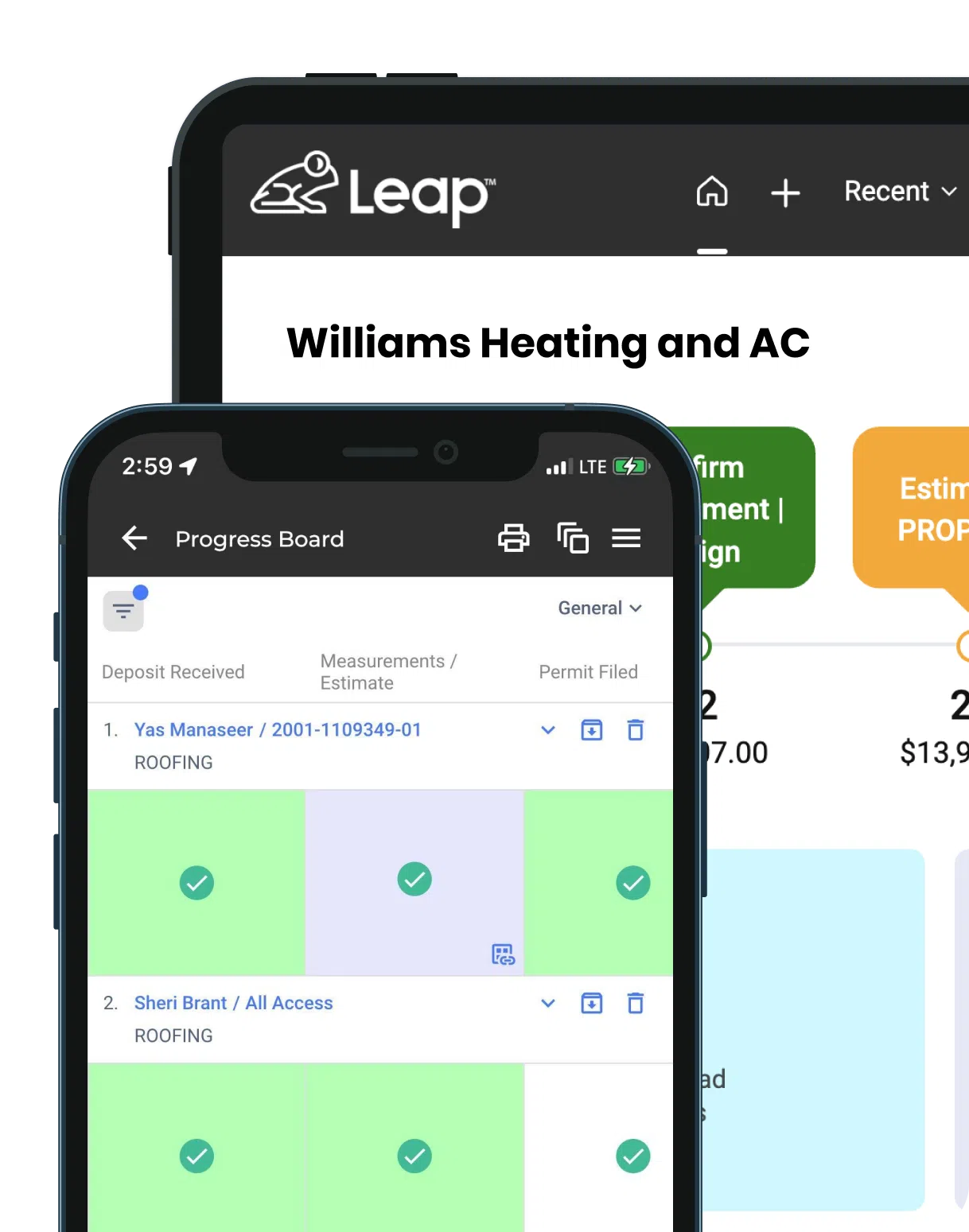
Imagine a world where your building's climate is always perfectly balanced, energy bills are consistently low, and equipment downtime is a distant memory. Sounds like a dream, right? It's more attainable than you think, especially with the right tools in place.
Are you struggling to keep your building's heating and cooling systems running smoothly? Do you find yourself constantly reacting to equipment failures instead of proactively preventing them? Are you concerned about rising energy costs and the environmental impact of your HVAC operations?
This blog post explores the world of HVAC management software and how it can revolutionize your approach to climate control. We'll delve into the benefits of these solutions, explore key features, and provide insights to help you choose the best software for your needs. Whether you're managing a small office building or a large industrial complex, understanding HVAC management software is essential for efficient and cost-effective operations.
We've covered a lot in this post, from understanding the basics of HVAC management software to exploring advanced features and choosing the right solution for your specific needs. Managing HVAC systems efficiently can significantly impact energy costs, equipment lifespan, and overall building comfort. Implementing a robust software solution is an investment that pays off in the long run. We delved into personal experiences, histories, secrets, and fun facts related to HVAC management to deepen your understanding of how to keep your environment climate controlled.
Personal Experience with HVAC Management Software
I remember the first time I encountered a modern HVAC management system. It was at a large commercial property I was visiting as a consultant. Before they implemented the software, they were plagued with constant issues. Temperature imbalances were rampant, some areas were freezing while others were sweltering. Reactive maintenance was the norm, leading to costly repairs and frustrated tenants. The energy bills were astronomical, and no one seemed to have a handle on what was going on. Then they brought in an HVAC management software solution. The transformation was remarkable. Suddenly, they had real-time visibility into the performance of every piece of equipment. Predictive maintenance alerts flagged potential issues before they became major problems. The software even optimized energy consumption based on occupancy and weather conditions. The complaints from tenants drastically reduced, energy bills plummeted, and the maintenance team could finally focus on preventative measures instead of constantly putting out fires. It was then that I truly understood the power of these systems. This experience cemented my belief in the importance of proactive HVAC management and the transformative potential of dedicated software.
HVAC management software can significantly improve building performance and occupant comfort. Implementing this technology can result in cost savings, reduced energy consumption, and a more sustainable operation. Choosing the right software involves assessing your current needs, considering future growth, and evaluating available features and integrations. By taking a strategic approach, you can leverage HVAC management software to create a more efficient and comfortable environment for everyone.
What is HVAC Management Software?
HVAC Management Software can be described as a digital nervous system for your building's climate control system. At its core, it's a software platform designed to monitor, control, and optimize the performance of your heating, ventilation, and air conditioning equipment. It's much more than just a fancy thermostat. Modern HVAC management software provides a centralized interface for managing everything from individual units to complex building-wide systems. It collects data from sensors and meters, analyzes performance trends, and provides insights that help you make informed decisions about your HVAC operations.
This type of software typically includes features such as remote monitoring and control, automated scheduling, predictive maintenance, energy reporting, and compliance tracking. By leveraging these capabilities, building managers can proactively identify and address potential problems, optimize energy consumption, and ensure that their HVAC systems are running efficiently and effectively. HVAC management software is also increasingly integrated with other building management systems, such as lighting, security, and access control, creating a holistic approach to building operations. It allows businesses to create a comfortable and energy efficient environment for occupants.
History and Myth of HVAC Management Software
The history of HVAC management software is intertwined with the evolution of building automation systems. The earliest forms of HVAC control were purely mechanical, relying on thermostats and manual adjustments. As technology advanced, pneumatic controls emerged, offering more sophisticated control over temperature and airflow. However, these systems were often complex and difficult to manage. The advent of computers and digital controls in the late 20th century paved the way for the development of HVAC management software. Early versions of these systems were primarily focused on monitoring and basic control functions. Over time, they evolved to incorporate more advanced features such as energy optimization, predictive maintenance, and remote access.
One common myth about HVAC management software is that it's only for large buildings or complex industrial facilities. While these types of facilities can certainly benefit from the software, smaller buildings can also see significant improvements in energy efficiency and operational costs. Another myth is that these systems are too complicated to use. While some software solutions may have a steeper learning curve than others, modern systems are designed with user-friendly interfaces and intuitive workflows. In fact, many of these systems are cloud-based, allowing you to manage your HVAC systems from anywhere with an internet connection. Ultimately, HVAC management software is about empowering building managers with the tools they need to make informed decisions and optimize the performance of their HVAC systems.
Hidden Secret of HVAC Management Software
The hidden secret of HVAC management software lies in its ability to unlock a wealth of data that can be used to improve building operations. Beyond simply monitoring temperature and humidity levels, these systems collect a vast amount of information about equipment performance, energy consumption, and occupant behavior. This data can be used to identify inefficiencies, predict potential problems, and optimize HVAC settings for maximum comfort and energy savings. For example, by analyzing historical data, you can identify patterns of energy usage and adjust schedules to minimize consumption during peak hours. You can also use data to identify equipment that is underperforming or nearing the end of its lifespan, allowing you to proactively schedule maintenance and avoid costly breakdowns.
The key to unlocking this hidden potential is to use the data effectively. This requires not only having the right software but also having the right expertise to analyze and interpret the data. Many HVAC management software vendors offer training and support services to help their customers get the most out of their systems. It's also important to integrate HVAC management software with other building systems, such as lighting and security. This allows you to create a holistic view of building operations and optimize energy consumption across the board. The secret isn't just the software; it's how you use the information it provides.
Recommendation of HVAC Management Software
When recommending HVAC management software, it's essential to consider the specific needs and requirements of each building or facility. There's no one-size-fits-all solution, and the best software for one organization may not be the best for another. However, there are some key features and capabilities that are essential for any effective HVAC management system. These include real-time monitoring and control, automated scheduling, predictive maintenance, energy reporting, and integration with other building systems. It's also important to consider the user interface, ease of use, and the level of support provided by the vendor.
For smaller buildings or organizations with limited budgets, cloud-based solutions may be the best option. These systems are typically more affordable and easier to implement than traditional on-premise software. For larger buildings or organizations with more complex HVAC systems, a more robust and customizable solution may be necessary. In either case, it's important to do your research, compare different options, and choose a software that meets your specific needs. Consider scheduling demos with multiple vendors to get a feel for the software and its capabilities. It's also a good idea to talk to other organizations that are using the software to get their feedback and insights. Choosing the right HVAC management software is an investment that can pay off in the form of reduced energy costs, improved equipment performance, and a more comfortable environment for building occupants.
Key Features of HVAC Management Software
One of the core functions of HVAC management software is real-time monitoring and control. This feature allows you to remotely monitor the performance of your HVAC equipment and make adjustments as needed. You can track temperature, humidity, airflow, and other key parameters in real-time, and you can use this information to identify potential problems and optimize settings. Another important feature is automated scheduling. This allows you to set schedules for your HVAC equipment based on occupancy, weather conditions, and other factors. Automated scheduling can help you reduce energy consumption and ensure that your building is always comfortable, even during off-peak hours.
Predictive maintenance is another critical feature of HVAC management software. By analyzing data from sensors and meters, the software can predict when equipment is likely to fail, allowing you to proactively schedule maintenance and avoid costly breakdowns. Energy reporting is also essential for tracking energy consumption and identifying opportunities for savings. The software can generate reports on energy usage, cost, and carbon emissions, allowing you to track your progress and make informed decisions about energy management. Finally, integration with other building systems is important for creating a holistic view of building operations. This allows you to optimize energy consumption across the board and ensure that all of your building systems are working together efficiently.
Tips of HVAC Management Software
Implementing and using HVAC management software effectively requires a strategic approach and attention to detail. One of the most important tips is to start with a clear understanding of your goals and objectives. What are you hoping to achieve with the software? Are you primarily focused on reducing energy costs, improving equipment performance, or enhancing occupant comfort? Once you have a clear understanding of your goals, you can choose a software that is best suited to your needs.
Another important tip is to invest in training for your staff. HVAC management software can be complex, and it's important to ensure that your staff has the knowledge and skills they need to use it effectively. Many vendors offer training courses and support services to help their customers get the most out of their systems. It's also important to regularly monitor and analyze the data generated by the software. This will help you identify trends, detect potential problems, and optimize your HVAC settings. Finally, be sure to integrate the software with other building systems, such as lighting and security. This will allow you to create a holistic view of building operations and optimize energy consumption across the board. By following these tips, you can maximize the benefits of HVAC management software and create a more efficient and comfortable environment for building occupants.
Common HVAC Management Software Mistakes
One of the most common mistakes people make when implementing HVAC management software is failing to properly define their goals and objectives. Without a clear understanding of what you're trying to achieve, it's difficult to choose the right software and measure your success. Another common mistake is neglecting to train your staff. HVAC management software can be complex, and it's important to ensure that your staff has the knowledge and skills they need to use it effectively. If your staff is not adequately trained, they may not be able to fully utilize the software's capabilities, which can negate many of the potential benefits.
Ignoring the data generated by the software is another frequent misstep. HVAC management software provides a wealth of information about your HVAC system's performance, but this data is only useful if you analyze it and use it to make informed decisions. Failing to integrate the software with other building systems is another mistake that can limit its effectiveness. Integrating HVAC management software with other systems, such as lighting and security, can provide a more holistic view of building operations and allow you to optimize energy consumption across the board. Finally, rushing the implementation process is a mistake that can lead to problems down the road. It's important to take your time, plan carefully, and test the software thoroughly before deploying it to your entire building.
Fun Facts of HVAC Management Software
Did you know that some HVAC management software can predict equipment failures with up to 90% accuracy? This can save you a significant amount of money on emergency repairs and downtime. It's also fascinating that some systems can learn your building's occupancy patterns and automatically adjust HVAC settings to optimize energy consumption. This can lead to substantial savings on your energy bills without sacrificing comfort.
Another fun fact is that HVAC management software can help you reduce your building's carbon footprint. By optimizing energy consumption, you can significantly reduce your building's greenhouse gas emissions and contribute to a more sustainable environment. Furthermore, some HVAC management software can integrate with weather forecasts to anticipate changes in temperature and humidity and automatically adjust HVAC settings accordingly. This can help you maintain a comfortable environment while minimizing energy consumption. The capabilities of these systems are constantly evolving, making HVAC management software an increasingly powerful tool for building managers.
How to HVAC Management Software
Implementing HVAC management software involves several key steps. First, you need to assess your current HVAC system and identify your goals and objectives. What are you hoping to achieve with the software? Are you primarily focused on reducing energy costs, improving equipment performance, or enhancing occupant comfort? Once you have a clear understanding of your goals, you can begin researching different software options. Look for software that is specifically designed for your type of building and HVAC system.
Next, you need to choose a software vendor and schedule a demo. This will give you a chance to see the software in action and ask questions. Be sure to ask about the software's features, ease of use, and level of support. Once you've chosen a software, you'll need to install it and configure it to your specific needs. This may involve working with an IT professional to integrate the software with your existing building systems. Finally, you'll need to train your staff on how to use the software. This will ensure that they have the knowledge and skills they need to effectively manage your HVAC system. The right preparation and training will enable your staff to operate the HVAC Management System effectively.
What if HVAC Management Software
What if HVAC management software could not only monitor and control your HVAC system but also proactively optimize it based on real-time data and machine learning algorithms? This could lead to even greater energy savings, improved equipment performance, and enhanced occupant comfort. Imagine a system that could automatically adjust HVAC settings based on occupancy patterns, weather conditions, and even individual preferences. This would create a truly personalized and comfortable environment for everyone in the building.
What if HVAC management software could also integrate with other building systems, such as lighting, security, and access control? This would create a holistic view of building operations and allow you to optimize energy consumption across the board. Furthermore, what if HVAC management software could be used to predict and prevent equipment failures with even greater accuracy? This would minimize downtime and reduce the need for costly repairs. The possibilities are endless, and as technology continues to evolve, HVAC management software will become an increasingly powerful tool for building managers.
Listicle of HVAC Management Software
Here's a quick list of essential features to look for in HVAC management software:
1. Real-time monitoring and control: Monitor your HVAC system's performance from anywhere.
2. Automated scheduling: Set schedules based on occupancy and weather conditions.
3. Predictive maintenance: Predict equipment failures and schedule maintenance proactively.
4. Energy reporting: Track energy consumption and identify opportunities for savings.
5. Integration with other building systems: Create a holistic view of building operations.
6. User-friendly interface: Easy to learn and use.
7. Mobile accessibility: Access your system from your smartphone or tablet.
8. Customizable alerts: Receive notifications when there are problems or anomalies.
9. Cloud-based option: Access your system from anywhere with an internet connection.
10. Robust reporting capabilities: Generate detailed reports on energy usage and equipment performance.
Question and Answer about HVAC Management Software
Q: What are the benefits of using HVAC management software?
A: HVAC management software can help you reduce energy costs, improve equipment performance, enhance occupant comfort, and minimize downtime.
Q: Is HVAC management software only for large buildings?
A: No, HVAC management software can be beneficial for buildings of all sizes.
Q: How much does HVAC management software cost?
A: The cost of HVAC management software varies depending on the features, complexity, and vendor. Cloud-based solutions are often more affordable than on-premise software.
Q: How difficult is it to implement HVAC management software?
A: The difficulty of implementing HVAC management software depends on the complexity of your HVAC system and the software you choose. It's important to plan carefully and invest in training for your staff.
Conclusion of HVAC Management Software: Best Climate Control Solutions
HVAC management software offers a powerful solution for optimizing climate control, reducing energy consumption, and improving overall building efficiency. By embracing these technologies, businesses can create more comfortable and sustainable environments while minimizing operational costs. The journey to effective HVAC management begins with understanding your specific needs, exploring available options, and implementing a solution that aligns with your long-term goals. Remember to prioritize user-friendliness, integration capabilities, and ongoing support when making your decision. With the right HVAC management software in place, you can transform your building's climate control from a source of headaches to a strategic asset.
Post a Comment